
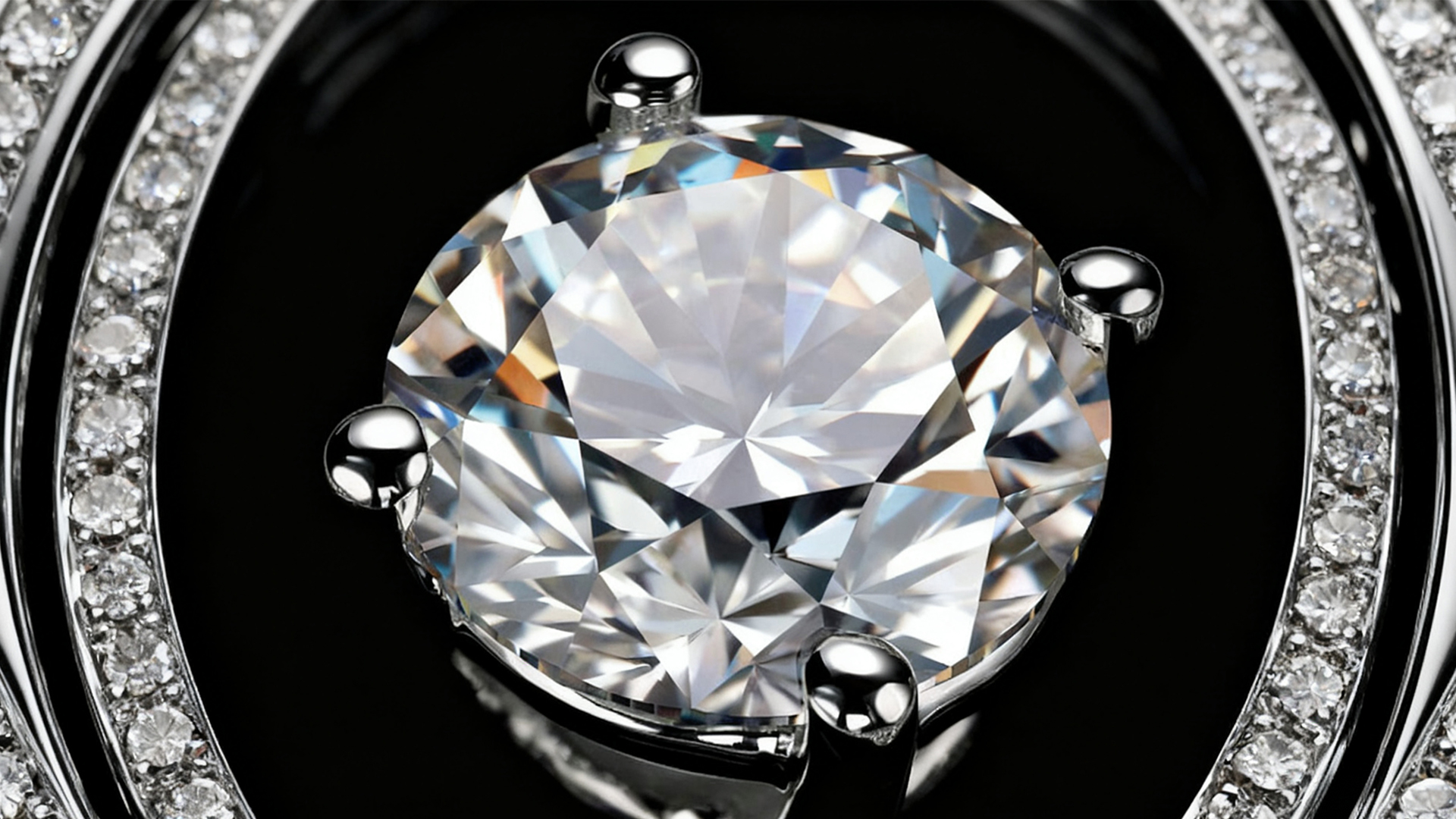
The global jewelry industry is entering a new era driven by advanced gemstone technology, sustainable production, and direct factory supply chains. In 2026, leading lab grown diamond manufacturers and moissanite factories are becoming strategic partners for jewelry brands in the US and Europe by providing innovative gemstone solutions, custom manufacturing, and transparent supply chains. As consumer preferences shift toward ethical luxury and personalized designs, source jewelry manufacturers are redefining how modern fine jewelry is created, produced, and delivered worldwide.
The Rise of Lab Grown Diamonds: Technology Transforming Modern Luxury Jewelry
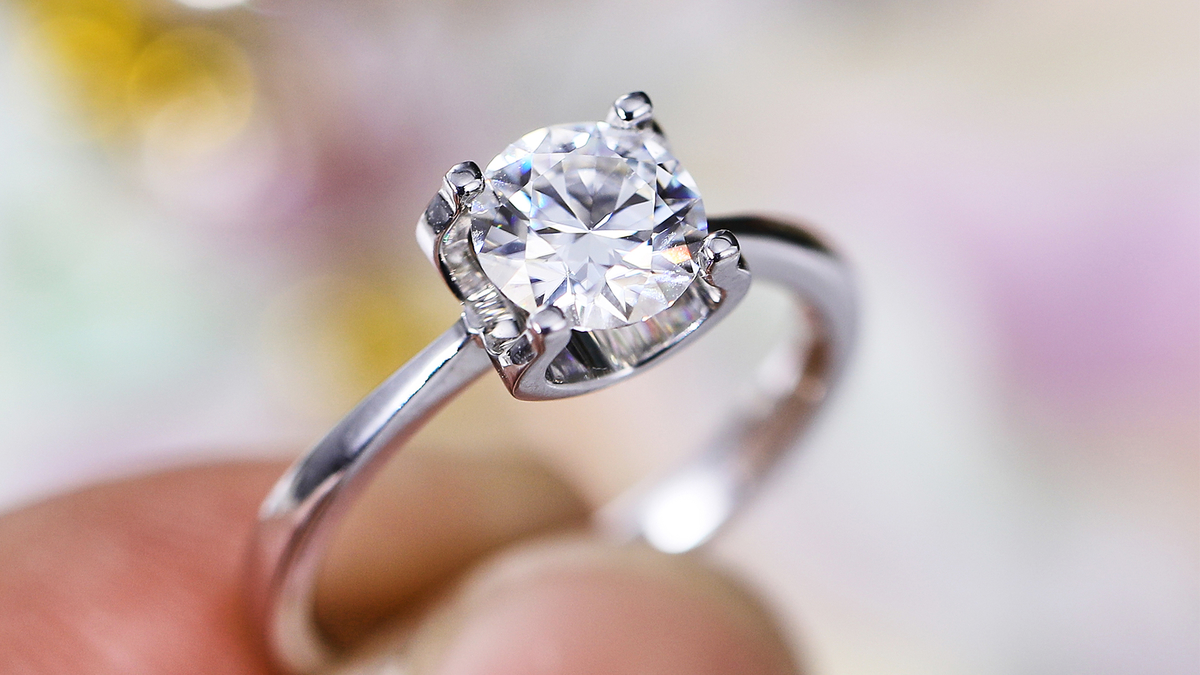
The development of lab grown diamond technology represents one of the most significant innovations in the jewelry industry.
Unlike traditional mined diamonds, lab grown diamonds are created through advanced scientific processes that replicate natural diamond formation conditions.
The two major production technologies include:
CVD Technology (Chemical Vapor Deposition)
CVD (Chemical Vapor Deposition) is a diamond growth method where carbon atoms are deposited layer by layer in a controlled laboratory environment to form diamond crystals.
HPHT Technology (High Pressure High Temperature)
HPHT (High Pressure High Temperature) recreates the extreme pressure and temperature conditions found deep inside the Earth to produce diamond crystals.
These technologies allow manufacturers to offer:
- Consistent gemstone quality
- Flexible production capacity
- Customized diamond sizes and shapes
- More transparent supply chains
For jewelry brands, lab grown diamonds create new opportunities to develop sustainable luxury collections while maintaining premium visual appeal.
Lab Grown Diamond Market Outlook: Why Demand Will Continue Growing
The global jewelry market is experiencing a major consumer shift.
Modern buyers, especially Millennials and Gen Z consumers, increasingly consider:
- Environmental responsibility
- Ethical sourcing
- Product transparency
- Value-driven luxury
as important purchasing factors.
According to industry research, lab grown diamonds have become one of the fastest-growing segments in the diamond market, particularly in engagement rings and fine jewelry applications.
Future growth will be driven by:
Sustainable Luxury Demand
Consumers are moving from traditional luxury concepts toward responsible luxury.
Jewelry brands are increasingly launching:
- Sustainable engagement rings
- Ethical bridal collections
- Environmentally conscious fine jewelry
- Affordable Premium Jewelry
Lab grown diamonds allow brands to offer high-quality diamond jewelry at more accessible price points.
This creates opportunities for:
- Emerging jewelry brands
- Online jewelry retailers
- Private label companies
3. Advanced Manufacturing Technology
Continuous improvements in:
- Crystal growth efficiency
- Cutting precision
- Quality inspection systems
- Production automation
will further improve manufacturing capabilities.
Moissanite Industry Trends: The Growth of Affordable Luxury Jewelry
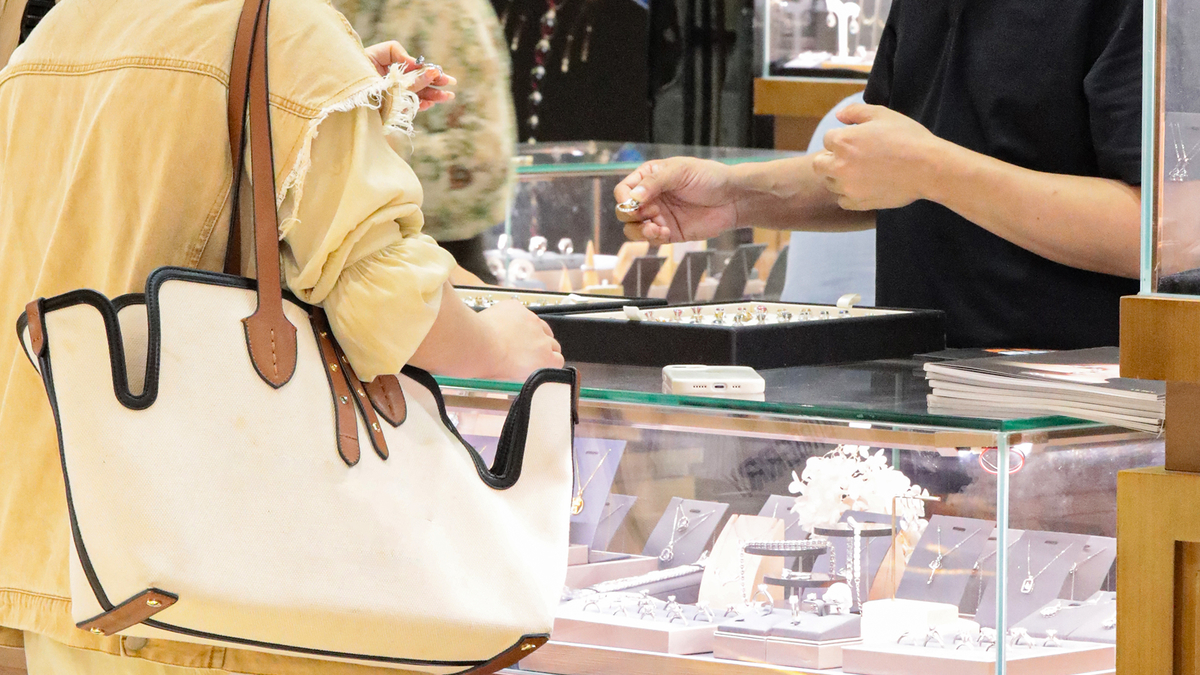
While lab grown diamonds are expanding the premium jewelry market, moissanite continues to establish itself as a leading affordable luxury gemstone.
Moissanite is especially popular among consumers looking for:
- Exceptional brilliance
- Durable jewelry options
- Modern designs
- Competitive pricing
Its unique optical characteristics make it attractive for:
- Engagement rings
- Fashion jewelry
- Custom collections
- Everyday luxury accessories
Technical Advantages of Moissanite
| Feature | Moissanite Standard |
| Material | Silicon Carbide (SiC) |
| Hardness | 9.25 Mohs |
| Refractive Index | 2.65 - 2.69 |
| Fire Dispersion | Higher than Diamond |
| Durability | Excellent |
| Application | Rings, Earrings, Necklaces |
With advanced cutting technology, professional moissanite factories can produce gemstones in various shapes:
- Round Brilliant Cut
- Oval Cut
- Cushion Cut
- Emerald Cut
- Pear Cut
This flexibility allows jewelry brands to create diverse collections for different customer segments.
Source Jewelry Factories: The New Backbone of Global Jewelry Supply Chains
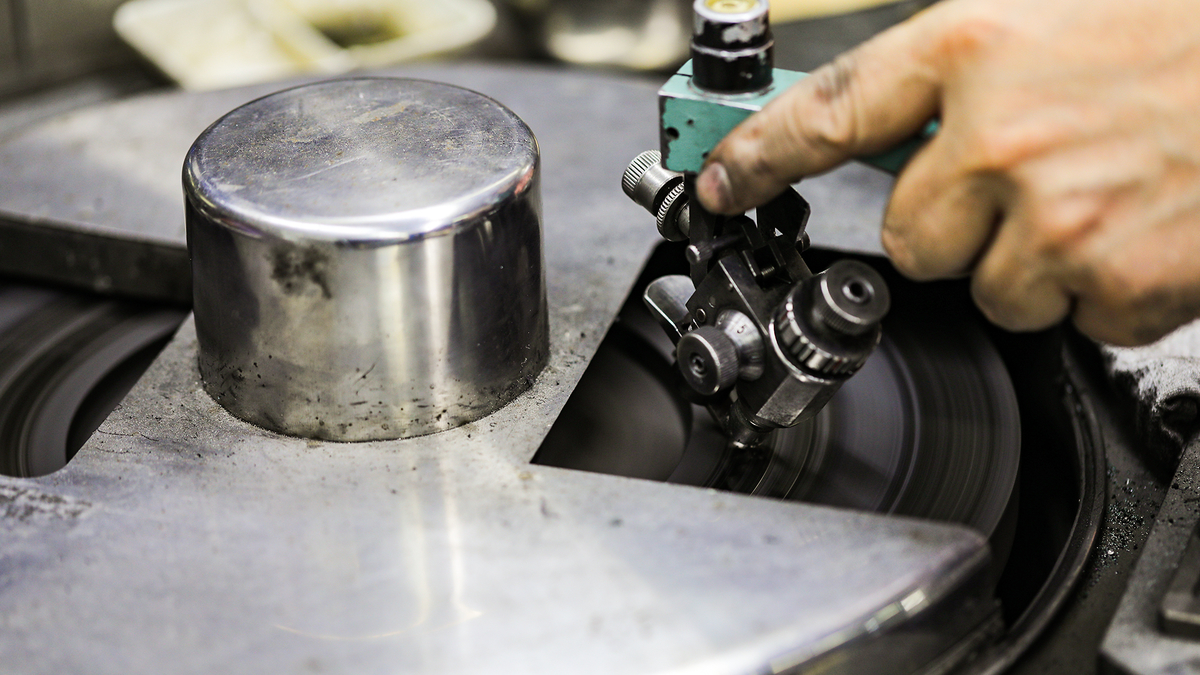
The future competition in the jewelry industry will not only depend on design creativity but also manufacturing capability.
Traditional supply chains:
Mining → Trading Companies → Wholesalers → Brands → Consumers
are gradually evolving into:
Source Factory → Jewelry Brand → Consumer
This direct manufacturing model provides several advantages.
Advanced Production Capability
Leading jewelry manufacturers are investing in:
- Automated production equipment
- Digital quality control systems
- CAD design technology
- Precision gemstone setting processes
These innovations help brands achieve:
✓ Faster product development
✓ More stable quality
✓ Better cost control
✓ Flexible customization
Custom Jewelry Manufacturing Will Become a Key Competitive Advantage
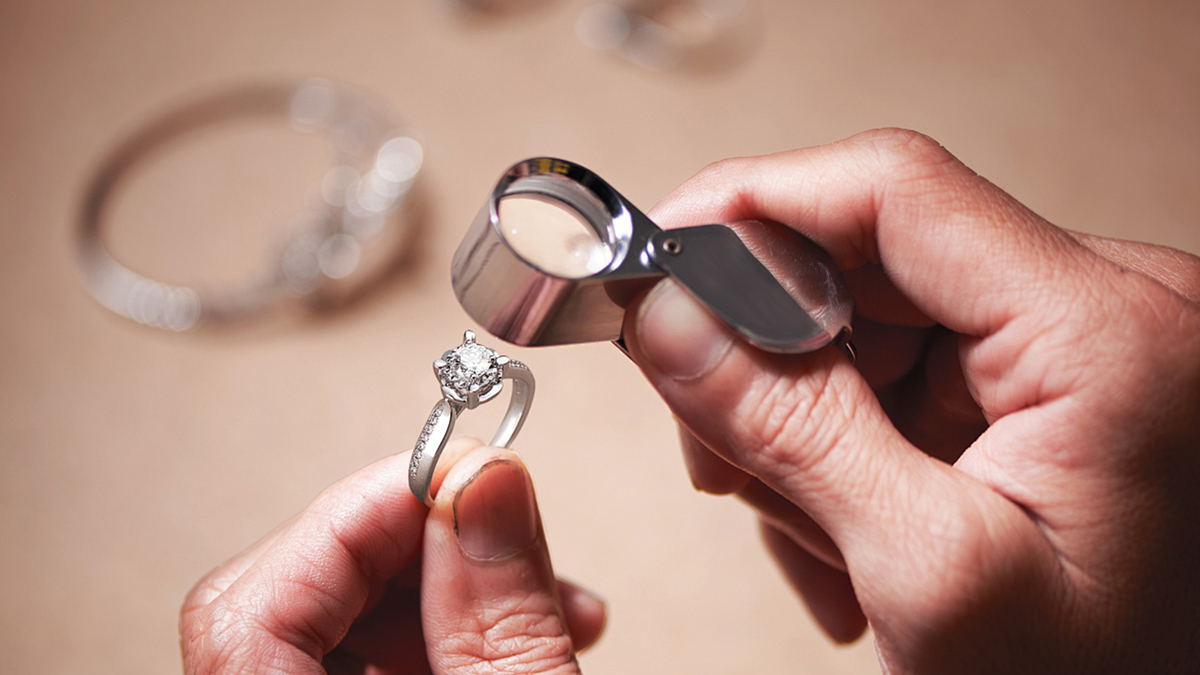
Future consumers want personalized products rather than mass-market jewelry.
Jewelry brands increasingly require:
- Custom engagement rings
- Exclusive collections
- Private label designs
- Small-batch production
Professional manufacturers with OEM and ODM capabilities will have a stronger position in the global market.
Future Prediction: Three Major Trends Reshaping the Jewelry Industry
Trend 1: Sustainable Jewelry Will Become Mainstream
Sustainability is no longer an optional marketing message.
It is becoming a core purchasing factor.
Future jewelry brands will focus on:
- Responsible sourcing
- Transparent production
- Ethical manufacturing
Lab grown diamonds and moissanite are positioned strongly within this movement.
Trend 2: Factory-to-Brand Partnerships Will Replace Traditional Wholesale Models
More international jewelry companies are choosing direct relationships with manufacturers.
This approach enables:
- Faster communication
- Lower production costs
- Better product customization
- Stronger supply chain control
For smaller jewelry brands, direct factory partnerships create opportunities to compete with established luxury companies.
Trend 3: AI and Digital Design Will Accelerate Jewelry Development
- Emerging technologies such as:
- Artificial Intelligence design tools
- 3D modeling software
- Digital prototyping
- Automated manufacturing systems
are transforming jewelry development.
Future factories will combine craftsmanship with technology to create faster and more flexible production processes.
Case Study: How a European Jewelry Brand Built a Sustainable Collection With a Source Factory
Customer Background
A European jewelry startup wanted to launch a sustainable engagement ring collection targeting younger consumers.
Their challenges included:
- High natural diamond costs
- Limited product customization
- Slow development cycles
- Manufacturing Solution
The source jewelry factory provided:
✓ Lab grown diamond sourcing
✓ Moissanite alternative collections
✓ CAD jewelry design
✓ Prototype development
✓ Small-batch production testing
Business Result
The brand successfully:
- Expanded its product range
- Reduced development time
- Entered the sustainable jewelry market
- Improved product competitiveness
This example demonstrates how professional manufacturers are becoming innovation partners rather than simple suppliers.
The Future Role of Lab Grown Diamond and Moissanite Manufacturers
The jewelry factory of the future will not only manufacture gemstones and jewelry.
It will provide complete business solutions including:
✓ Gemstone technology
✓ Product development
✓ Custom design support
✓ Quality management
✓ Global supply chain services
For jewelry brands in North America and Europe, partnering with a professional lab grown diamond manufacturer or moissanite factory provides the foundation for long-term market growth.
Conclusion: Technology and Sustainability Will Define the Next Era of Jewelry
The future of the jewelry industry will be shaped by three key forces:
Technology. Sustainability. Customization.
Lab grown diamonds and moissanite are not simply alternatives to traditional gemstones. They represent a new direction for modern luxury jewelry.
As global consumers continue demanding transparency, affordability, and individuality, professional source manufacturers will play a central role in creating the next generation of jewelry products.
The future of luxury will not only be measured by rarity.
It will be defined by:
how intelligently jewelry is created, how responsibly it is produced, and how meaningfully it connects with consumers.