
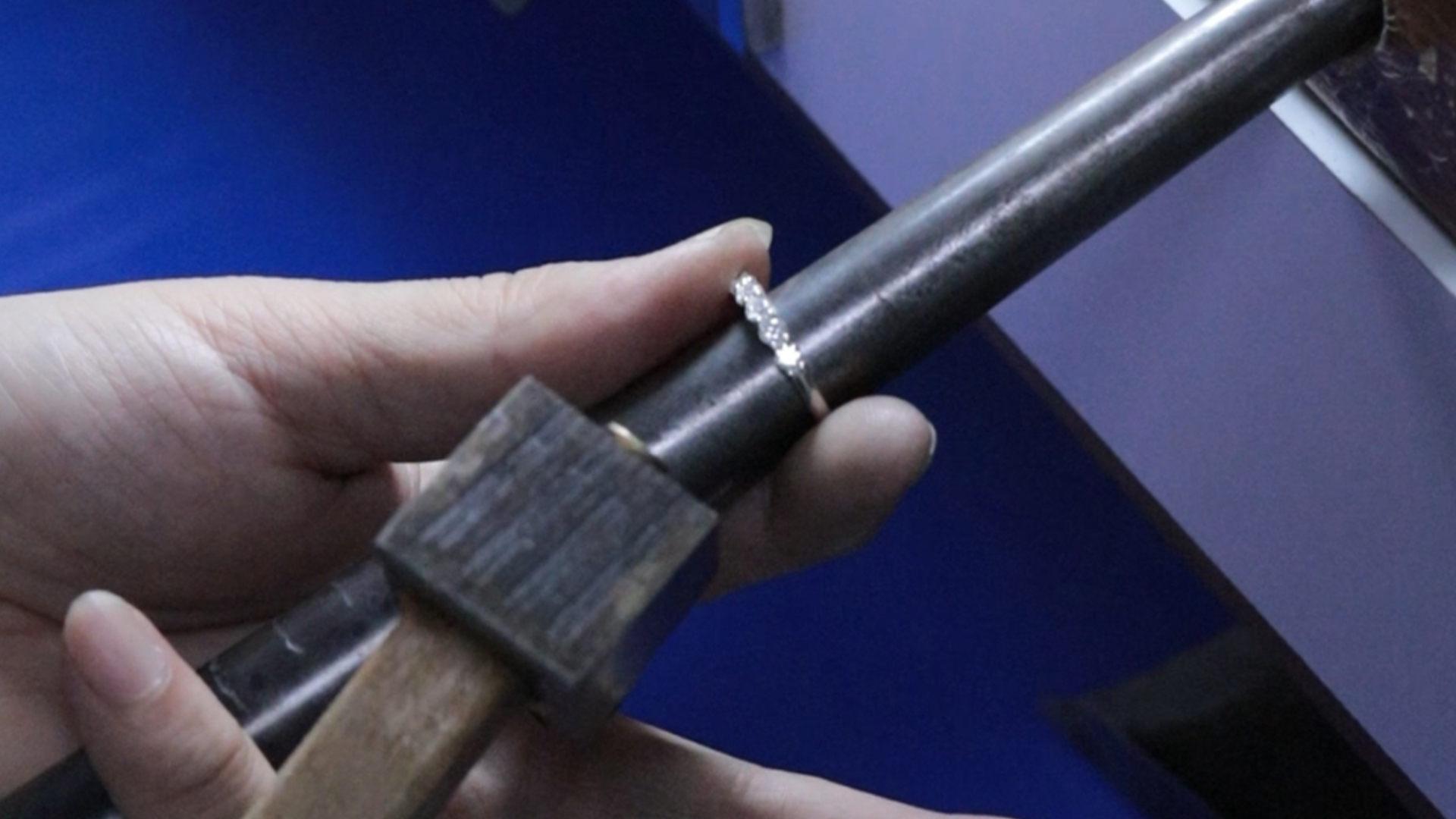
To many consumers, the creation of a beautiful piece of jewelry may seem simple — melting metal, shaping a design, and polishing the surface until it shines. However, exceptional jewelry is never created by appearance alone.
Behind every high-quality ring, necklace, bracelet, or gemstone piece is a carefully controlled manufacturing process involving material selection, precision craftsmanship, advanced technology, and strict quality inspections.
For professional jewelry manufacturers and experienced buyers, the difference between ordinary jewelry and premium jewelry is not only visible in the final design — it is hidden in every production detail.
Two pieces of jewelry may look almost identical at first glance, yet one may lose its finish, deform, or develop quality issues after months of wear, while another maintains its brilliance and durability for years.
The difference comes from the craftsmanship behind the piece.
In this guide, we will explore the complete jewelry manufacturing process, from raw material selection to final packaging, and reveal the seven essential steps that transform basic materials into finished jewelry of lasting quality.
Step 1: Material Selection — Building Quality from the Foundation
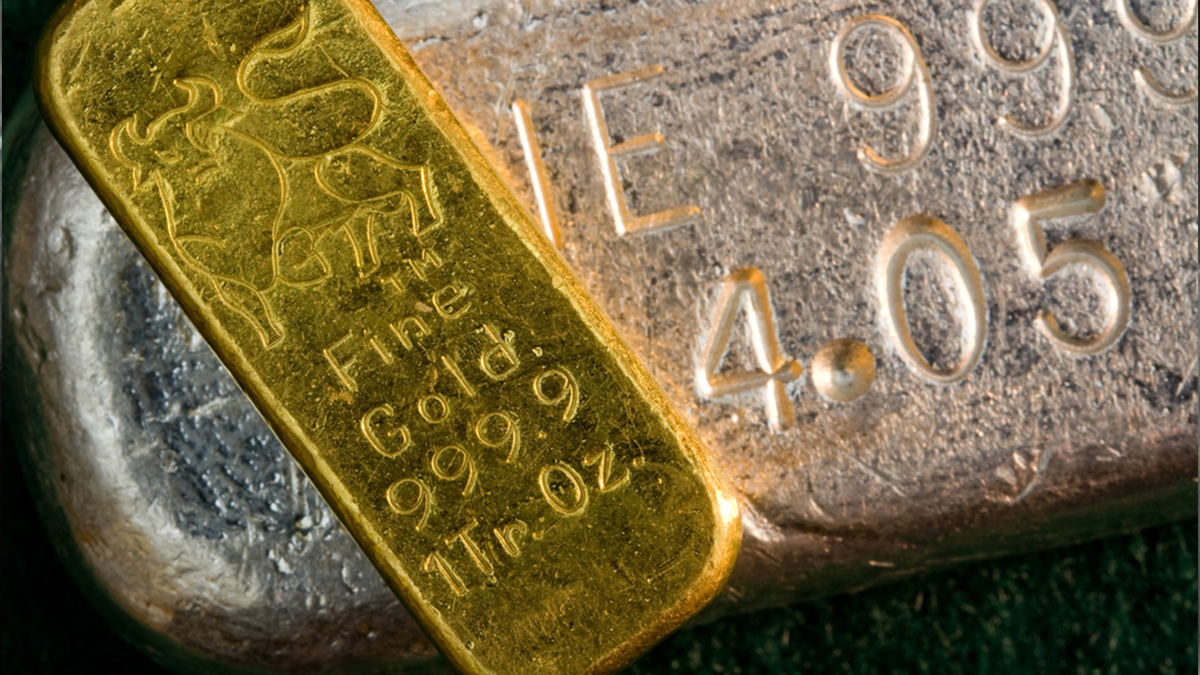
The first step in creating fine jewelry is selecting high-quality raw materials.
The quality of the materials directly affects the jewelry’s durability, appearance, safety, and long-term performance. Professional jewelry manufacturers never rely on low-cost materials simply to reduce production expenses. Instead, they establish strict sourcing standards to ensure every material meets quality requirements.
For precious metal jewelry, such as sterling silver, gold, and gold alloys, manufacturers typically work with verified suppliers and conduct material testing before production begins.
For example:
925 sterling silver must contain at least 92.5% pure silver.
999 fine silver contains 99.9% silver purity.
Gold and gold alloys are selected according to their required karat standards.
Before entering production, raw materials undergo inspection using professional testing equipment to verify purity and composition. Any material that fails to meet standards is rejected.
For gemstone jewelry, material selection becomes even more precise.
Natural gemstones are carefully evaluated for visible cracks, excessive inclusions, and overall quality. Lab-grown diamonds are selected based on crystal quality, clarity characteristics, and cutting standards.
A professional manufacturer understands that material quality determines the foundation of the final product. Poor materials may reduce costs temporarily, but they ultimately create customer dissatisfaction and damage brand reputation.
Step 2: Wax Modeling & Lost-Wax Casting — Creating the Perfect Jewelry Design
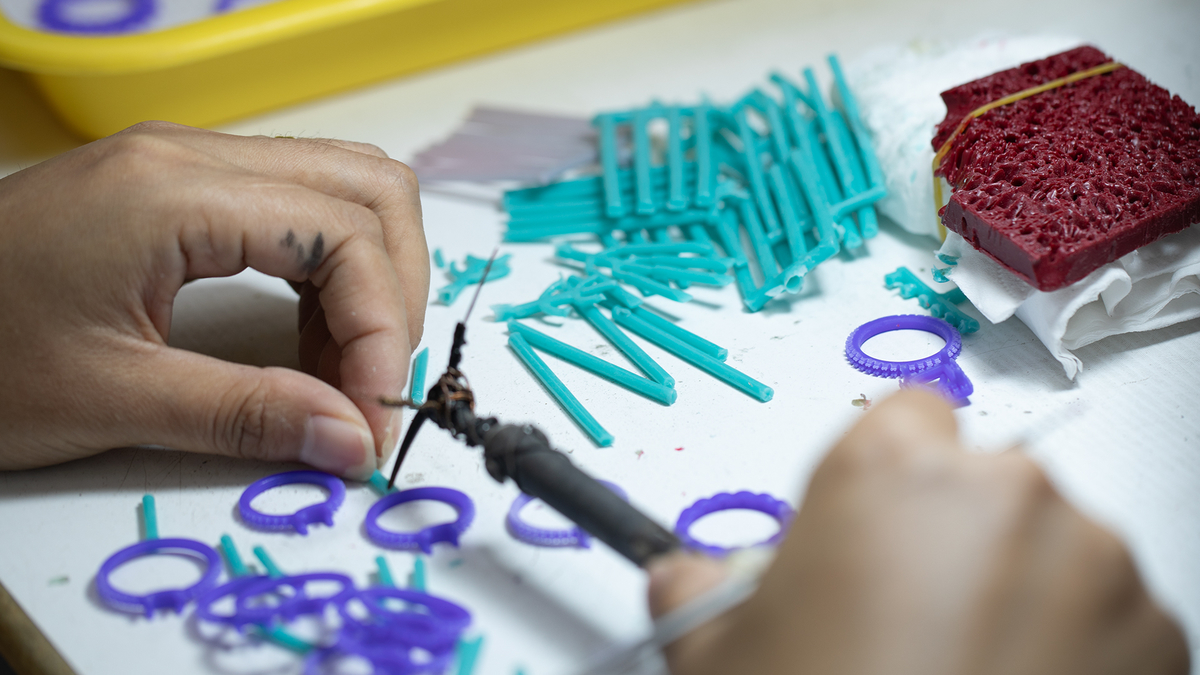
After material selection, jewelry production moves into the modeling stage.
One of the most widely used techniques in fine jewelry manufacturing is the lost-wax casting process, which determines the design accuracy, dimensions, and overall appearance of the final piece.
Many low-quality jewelry pieces suffer from uneven shapes, inconsistent sizing, or unclear details because of poor wax modeling.
High-quality manufacturers typically use two main approaches:
Traditional Rubber Mold Wax Modeling
This method is commonly used for mass production of classic jewelry designs.
A master model is created by an experienced craftsman and used to produce silicone rubber molds. Wax is then injected into these molds to create multiple identical wax patterns.
This process ensures:
Consistent sizing
Stable production quality
Efficient manufacturing
It is widely used for standard jewelry collections.
3D Printed Wax Modeling
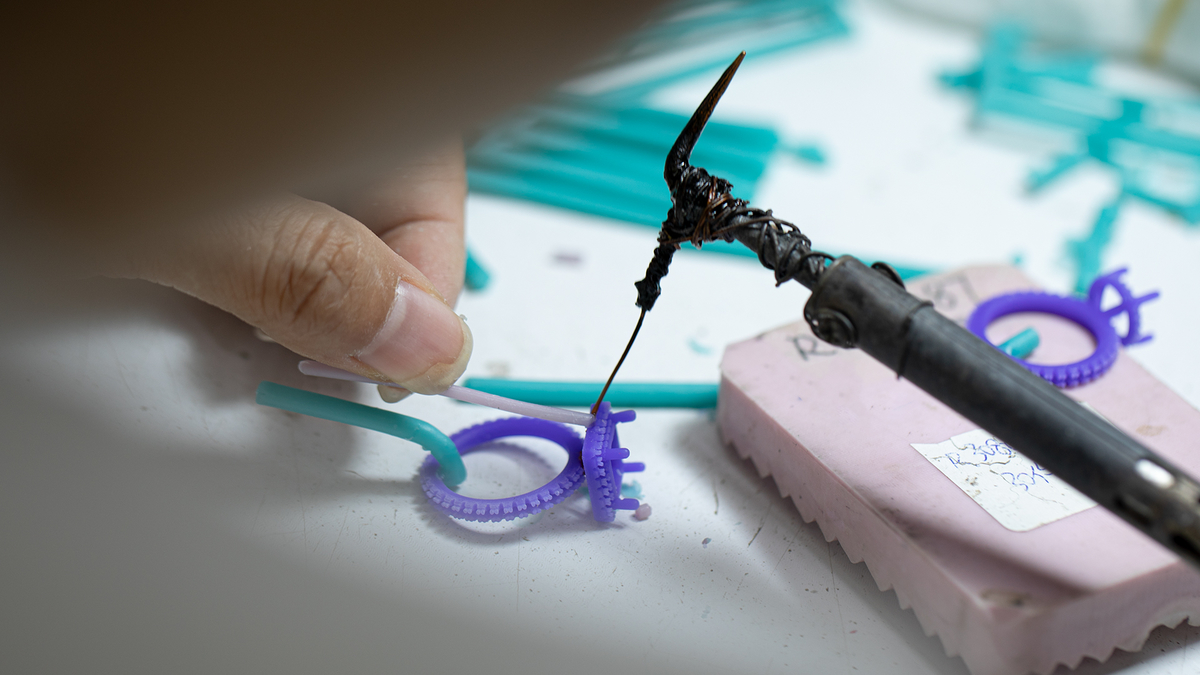
For complex designs such as:
Pavé settings
Intricate patterns
Hollow structures
Custom jewelry designs
manufacturers often use CAD modeling combined with 3D wax printing technology.
Computer-designed models are converted into highly precise wax patterns, allowing manufacturers to reproduce delicate details with exceptional accuracy.
This technology improves:
Design precision
Production efficiency
Customization capability
Before mass production begins, wax models undergo testing to ensure correct dimensions, proportions, and structural integrity.
Step 3: Metal Casting — Precision Control for Strength and Durability
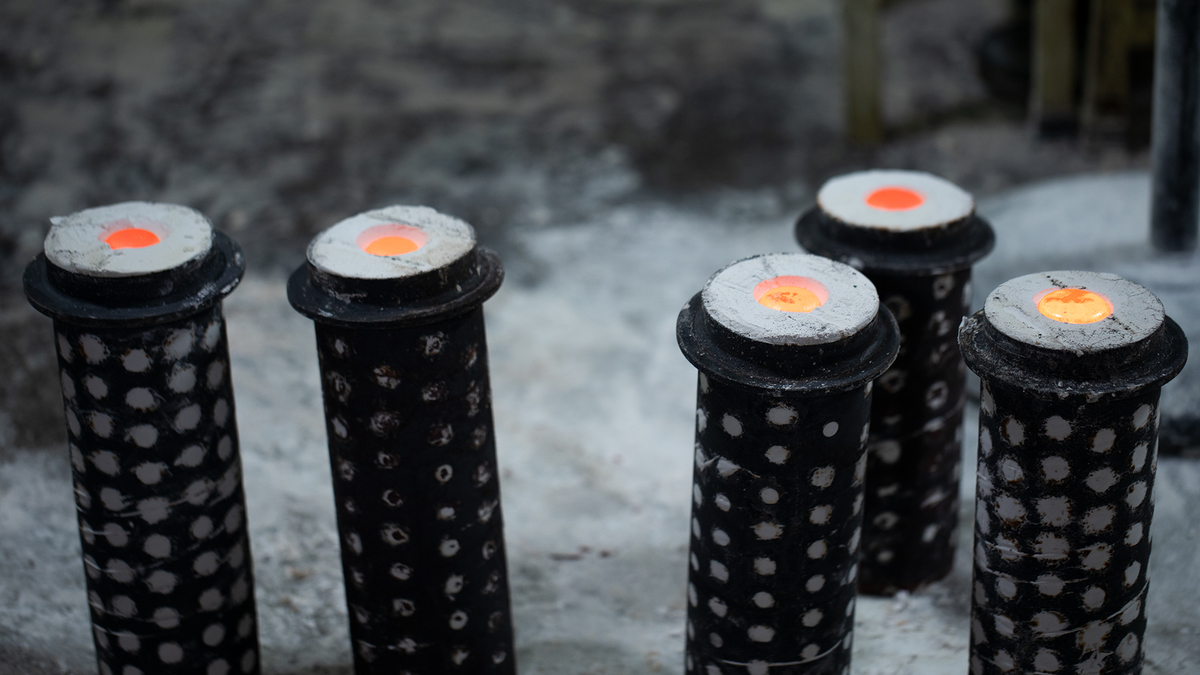
Once the wax model passes inspection, the casting process begins.
During this stage, selected metals are melted and poured into prepared molds to create the basic jewelry structure.
Temperature control is critical.
Different metals require different melting temperatures:
Silver: approximately 961°C
Gold: approximately 1,064°C
Incorrect temperature control may result in:
Porosity
Cracks
Uneven metal structure
Reduced durability
Professional manufacturers carefully monitor casting conditions to ensure the correct density and strength of each piece.
After casting, the raw jewelry piece undergoes initial cleaning and trimming to remove excess metal, rough edges, and surface imperfections.
Step 4: Fine Polishing — Where Craftsmanship Creates the Final Beauty
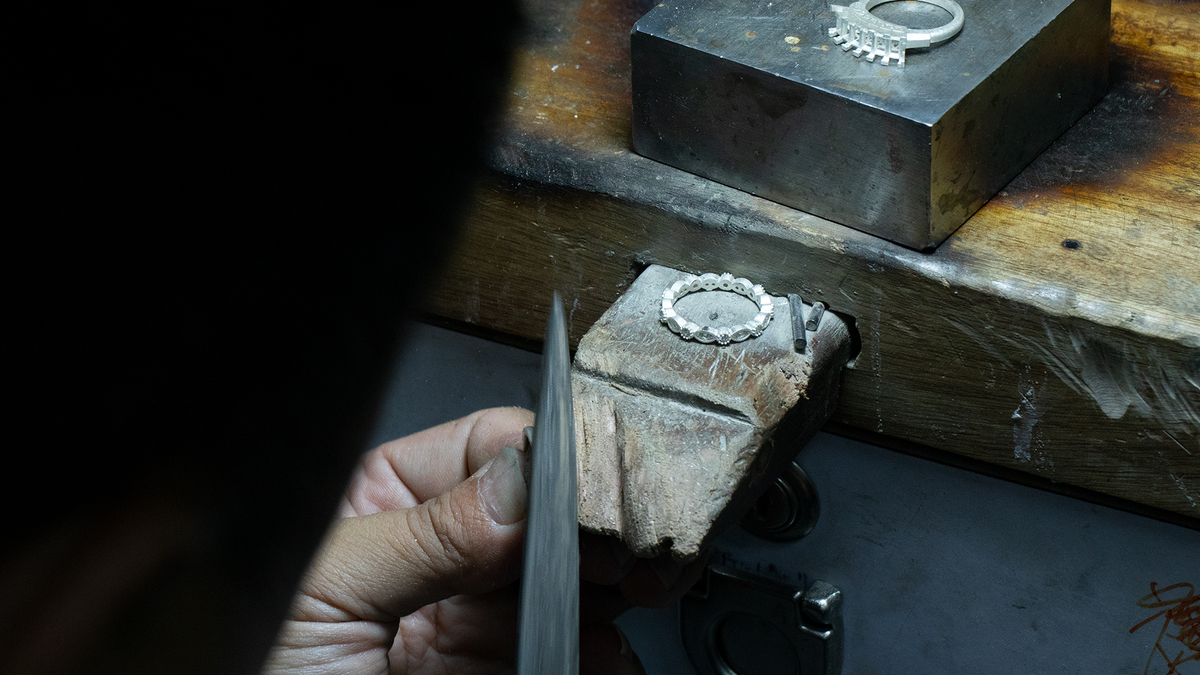
Casting creates the basic shape, but polishing creates the finished beauty.
Fine polishing is one of the most important stages separating premium jewelry from ordinary products.
Professional craftsmen use multiple polishing techniques, gradually refining the surface:
Rough polishing removes casting marks and visible imperfections.
Fine polishing smooths the surface texture.
Final polishing creates a refined, mirror-like finish.
High-quality polishing is not limited to visible areas.
Experienced craftsmen also refine:
Ring interiors
Necklace clasps
Earring posts
Hidden edges
This ensures:
Smooth wearing comfort
No sharp edges
Better long-term durability
Low-quality jewelry often skips detailed polishing, resulting in rough surfaces, uncomfortable edges, and a less refined appearance.
Step 5: Signature Jewelry Techniques — Setting, Plating & Finishing
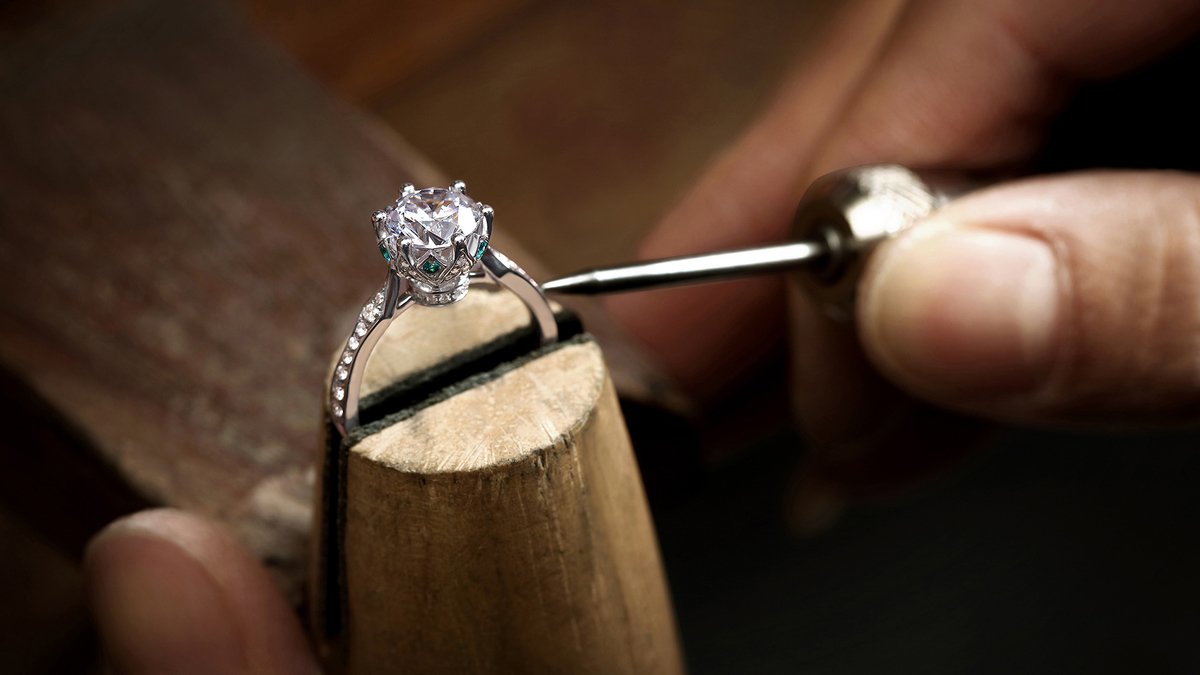
After polishing, jewelry enters the final craftsmanship stage.
Depending on the design, manufacturers may apply several specialized techniques.
Gemstone Setting
For diamond, moissanite, and gemstone jewelry, skilled setters carefully secure each stone.
Quality standards include:
Even prong placement
Secure stone positioning
Balanced symmetry
No visible gaps
No loose stones
For pavé and micro-setting designs, every small gemstone must be precisely aligned to achieve a seamless appearance.
Electroplating
Silver and gold jewelry often receive protective plating to enhance durability and appearance.
High-quality plating provides:
Better color retention
Increased oxidation resistance
Improved surface brightness
Professional manufacturers inspect plating thickness, uniformity, and adhesion before approval.
Antique & Vintage Finishing
For vintage-style jewelry, controlled oxidation and finishing techniques are used to create a unique aged appearance.
The process must remain balanced, maintaining texture while preventing uneven discoloration.
Step 6: Quality Control — The Final Protection Before Delivery
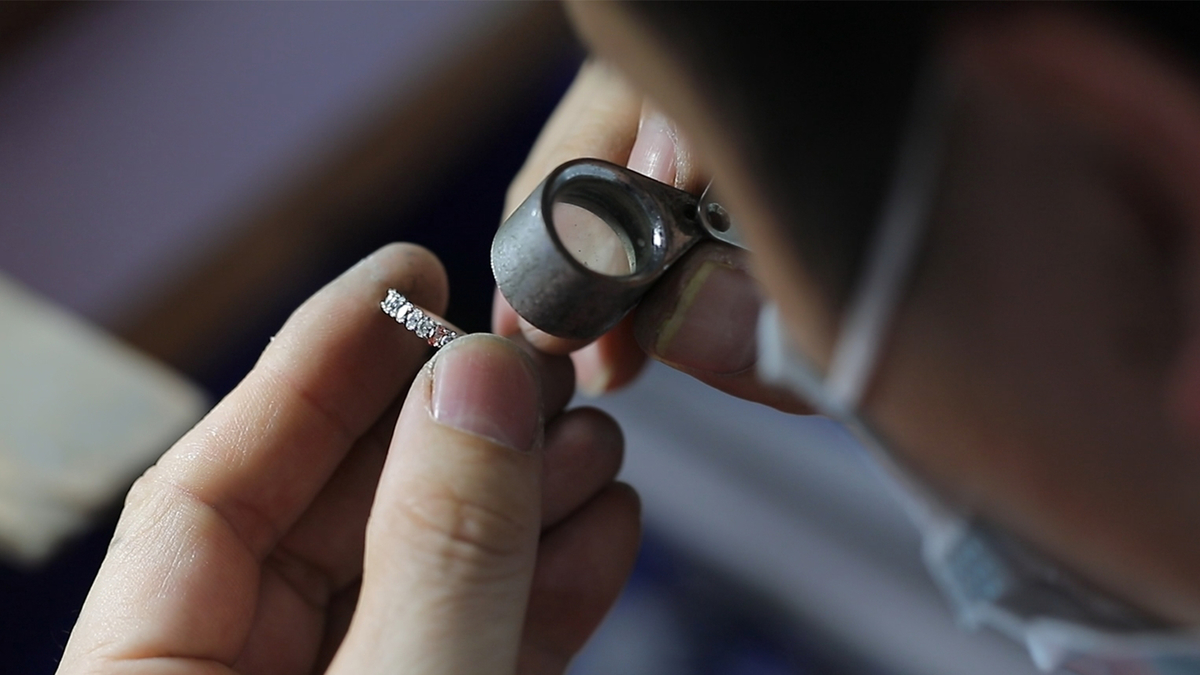
Premium jewelry cannot rely only on craftsmanship; strict quality control is essential.
Professional factories typically conduct inspections throughout production.
Quality checks include:
Production Inspection
After each major process:
Stone setting is checked for security.
Plating is checked for consistency.
Polishing is checked for surface quality.
Any defect is corrected before moving forward.
Final Product Inspection
Before shipment, each jewelry piece undergoes a complete inspection for:
Surface imperfections
Size accuracy
Structural integrity
Material quality
Safety standards
Only approved products proceed to packaging.
Strict quality control helps prevent common issues such as:
Color fading
Loose stones
Deformation
Manufacturing defects
Step 7: Packaging & Final Delivery — Protecting Every Detail
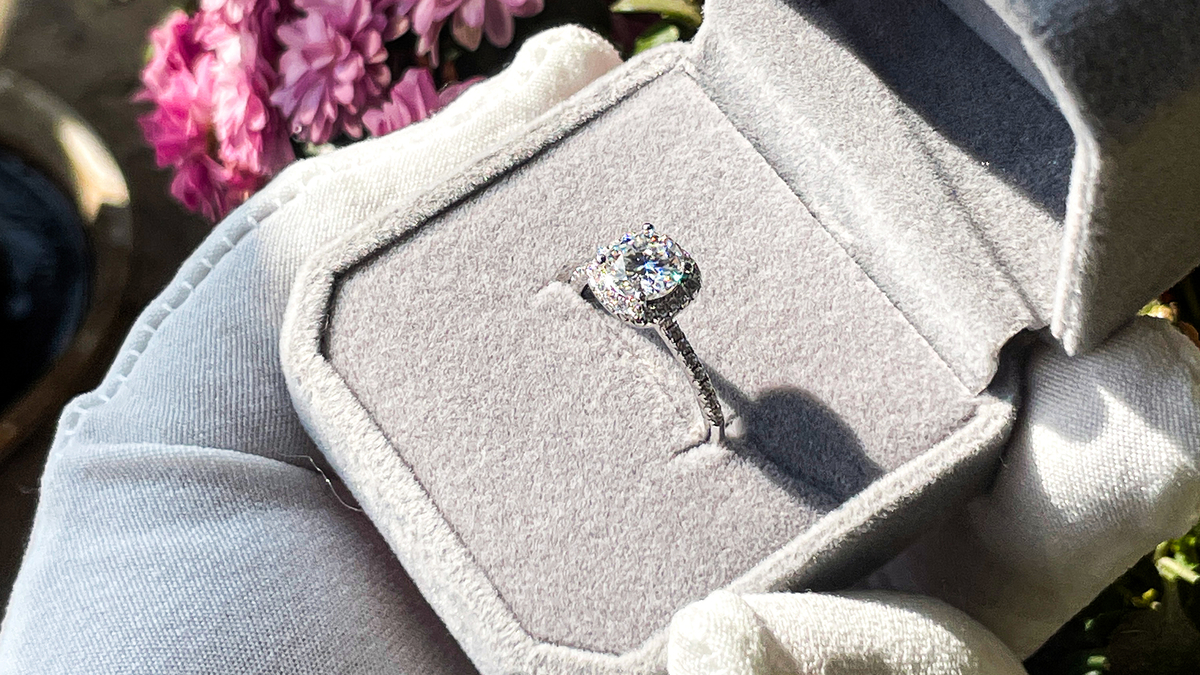
After passing quality inspection, jewelry enters the final packaging stage.
Each piece is carefully inspected again before being placed into protective packaging to prevent:
Scratches
Surface damage
Transportation wear
Certificates and product documentation may also be included to provide transparency for retailers and customers.
Before shipment, manufacturers verify:
Product quantity
Specifications
Quality standards
Only after final approval are products delivered to jewelry brands, wholesalers, and retailers worldwide.
Final Thoughts: Quality Jewelry Is Built Through Every Detail
A truly exceptional piece of jewelry is never created through a single step.
From carefully selected materials and precise modeling to expert craftsmanship and strict quality control, every stage contributes to the final result.
The value of fine jewelry does not come only from its appearance. It comes from:
Premium materials
Skilled craftsmanship
Advanced manufacturing technology
Reliable quality standards
For jewelry wholesalers and retailers, understanding the manufacturing process helps identify trustworthy suppliers and avoid low-quality products.
For consumers, knowing how jewelry is made provides a deeper appreciation of the craftsmanship behind every piece.
A beautiful piece of jewelry is not simply manufactured — it is carefully crafted, inspected, and perfected before it reaches your hands.